10. Wildcard
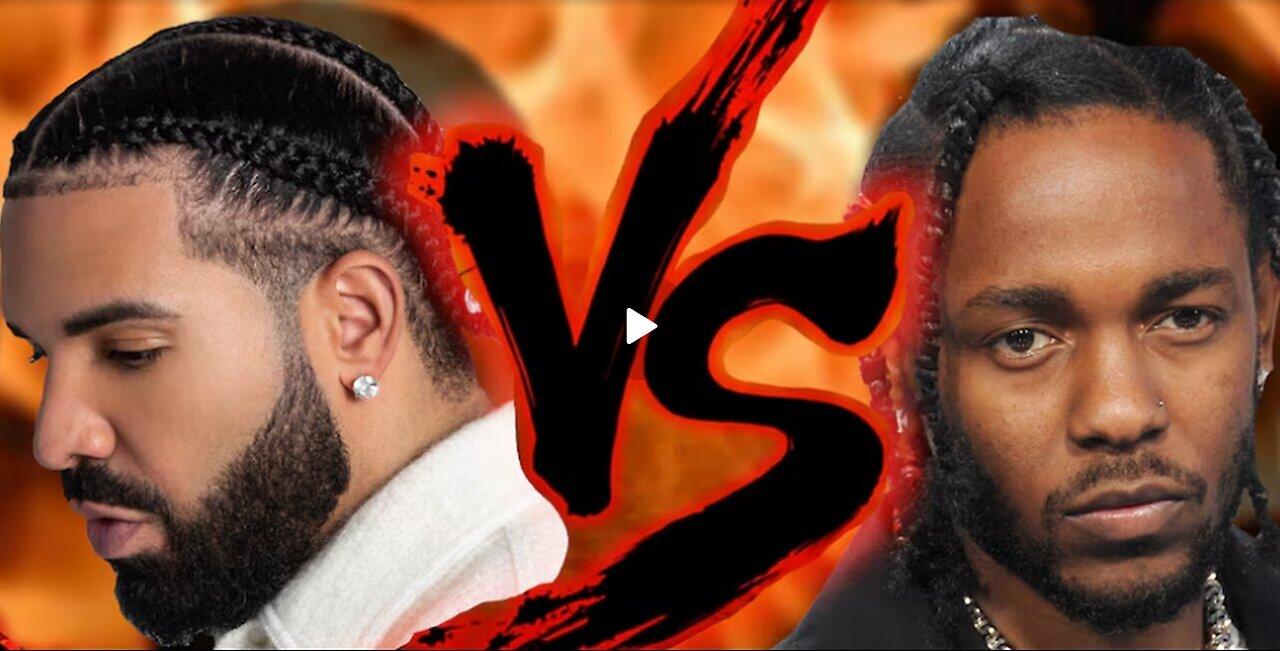
In 2024 and 2025, the pent-up years of hostility between Kendrick Lamar and Drake spilled over into one of the biggest lyrical beefs in hip-hop history. A scathing verse on a feature record became a series of back-and-forth diss albums, remapping not only the musical terrain but also the media terrain that surrounds and amplifies rap culture. This beef did more than provide us with entertainment; it showed us the new place of the media in music, the power of social conversation, and the new norms by which artists are judged.
Key Moments:
- The start- Kendrick dissed Drake (and J. Cole) on Future & Metro Boomin’s track “Like That” (March 2024), calling out both rappers by name.
2. J. Cole Responds and Retreats- Cole replied on “7 Minute Drill,” then quickly apologized and withdrew from the battle—leaving Drake and Kendrick as the main rivals.
3. Drake Fires Back- Drake released multiple diss tracks, including “Push Ups”, “Family Matters”, and others, accusing Kendrick of hypocrisy, control by industry execs, and personal issues.
4. Kendrick’s Retaliation- Kendrick dropped devastating responses like “Euphoria”, “6:16 in LA”, and “Meet the Grahams”, with surgical attacks on Drake’s image, authenticity, and family dynamics.
5. Peak of the Feud- Kendrick ended with “Not Like Us”, a West Coast anthem that doubled as a club banger and brutal diss, widely seen as a mic-drop moment.
Kendrick's Super Bowl Performance:
When Kendrick Lamar took the stage to perform his viral diss track "Not Like Us" at the Super Bowl LIX Halftime Show, it was an earth-shattering event for hip-hop and popular culture. What was formerly a fringe art form born of resistance and street storytelling, rap had long ago grown into a mainstream force, but never had a diss track, and especially one born of a highly public and personal beef, been given such a visible global stage. Kendrick's performance wasn't just musical; it was a statement about authenticity, power, and hip-hop's rightful place in the center of the cultural conversation.
Streaming Platform Influence:
Another level of media influence was the response from streaming platforms. Companies like Spotify and Apple Music created playlists with song titles that leveraged the beef, often including diss tracks in titles like "Rap Beef Essentials" or "West Coast vs. OVO." This corporate involvement further commodified the beef, demonstrating how the media landscape made up of corporate actors now actively helps create moments of culture in order to make money.
Conclusion:
The Kendrick Lamar vs. Drake beef not only dominated the rap game, but it also revealed how media has become so entrenched in music culture. From viral social media outrage and sensationalist media reporting to corporate playlisting and cultural think pieces, the feud served as a mirror to the messiness of today's media. It served as a reminder to the viewer that in an age of digital instantaneity, the manner in which things are told is as fascinating as what's being told. And in that sense, Kendrick vs. Drake was not simply a battle between two artists it was a battle of narratives, fought and decided on the battlegrounds of both audio and media. The Kendrick vs. Drake beef was a full-on cultural phenomenon that revealed just how entangled hip-hop is with the media, brand, identity, and public image of our times. It was about something greater than two rappers trading bars; it was a reflection of how we hear, argue, and mythologize music today.
(19) Kendrick Lamar (@kendricklamar) / X


Comments
Post a Comment